
Introduction:
Jus’Onco Cancer Clinic stands as a medical facility committed to delivering specialized oncology consultation and cancer therapy services that focus on advanced treatment approaches.
The medical center offers individualized cancer treatment combined with accessible and affordable care.Know the Chemotherapy cost in Chennai and get affordable cancer treatment from Jus’Onco Clinic.
1. Looking Beyond Chemotherapy:
When most people hear the word “cancer treatment,” their first thought is often chemotherapy. But while chemo plays a significant role in fighting cancer, it’s only one piece of the puzzle. One of the oldest and still most effective methods in the fight against cancer is surgery.
Surgical treatment for cancer in Chennai is often the first and most direct method to remove tumors. It’s not just about cutting something out—it’s a highly precise, life-saving option that can cure, control, or significantly extend survival. In this blog, we’ll look beyond chemotherapy and dive into how surgery remains a cornerstone in cancer care.
2. The Role of Surgery in Cancer Treatment:
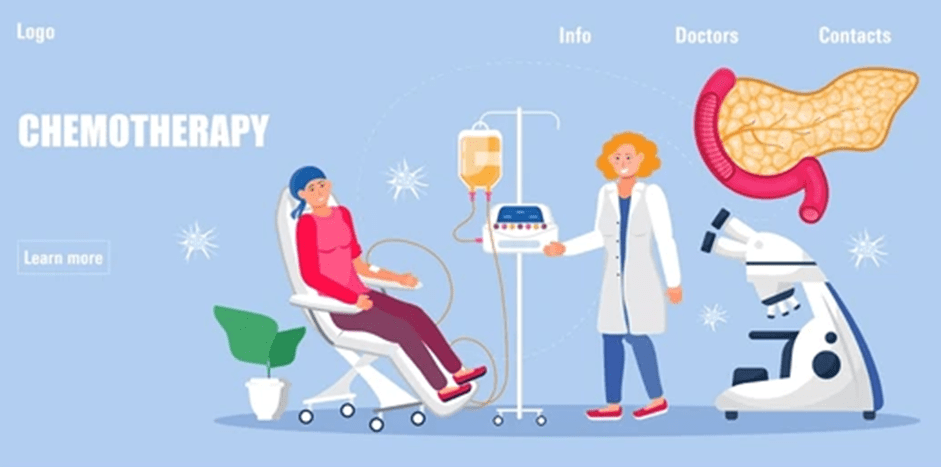
Surgery serves multiple purposes in cancer care. The most common goal is to remove the cancerous tumor, especially if it is localized and has not spread. In other cases, surgery may be used to:
- Diagnose cancer through biopsy
- Determine how far the cancer has spread (staging)
- Relieve symptoms or complications caused by tumors (palliative surgery)
- Restore function or appearance after cancer removal (reconstructive surgery)
In many cases, surgery is part of a multimodal treatment plan, meaning it’s combined with chemotherapy, radiation, or immunotherapy to maximize effectiveness.
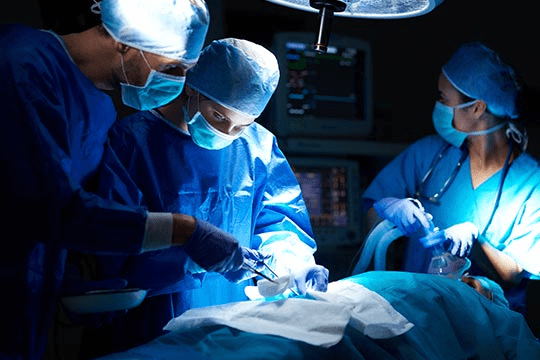
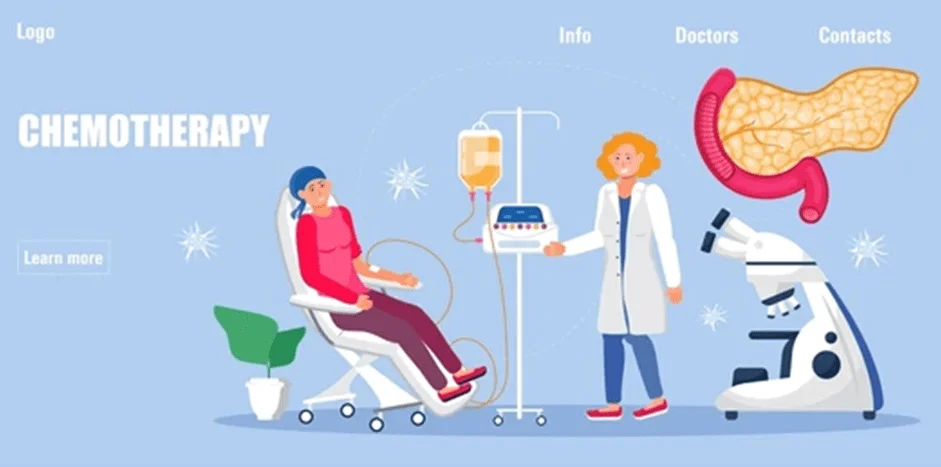
Ask your oncologist if a combination of chemotherapy and immunotherapy could improve your chances—especially in complex cases.
3. When is Surgery the Best Option?
Surgery is most effective when the cancer is localized—meaning it hasn’t spread to other parts of the body. Cancers of the breast, colon, prostate, skin, and lungs often respond well to surgery if detected early.
Doctors consider several factors before recommending surgery:
- Type and stage of cancer
- Tumor size and location
- Patient’s overall health and ability to recover from surgery
If surgery offers the best chance of cure or symptom relief, it’s often the preferred option. However, in cases where cancer has spread widely, systemic treatments like chemo or immunotherapy may take priority.
4. Types of Cancer Surgeries and Their Purposes:
Different types of surgery are used for different purposes in cancer treatment:
- Curative Surgery: Removes all cancer tissue when it’s localized.
- Preventive Surgery: Removes tissue before cancer develops (e.g., mastectomy in high-risk women).
- Diagnostic Surgery: Helps confirm diagnosis via biopsy.
- Staging Surgery: Determines how much cancer is present.
- Debulking Surgery: Removes part of the tumor when full removal isn’t possible.
- Palliative Surgery: Eases symptoms without aiming to cure.
- Reconstructive Surgery: Restores appearance or function (e.g., breast reconstruction).
Each type serves a different purpose and is chosen based on the patient’s individual case.
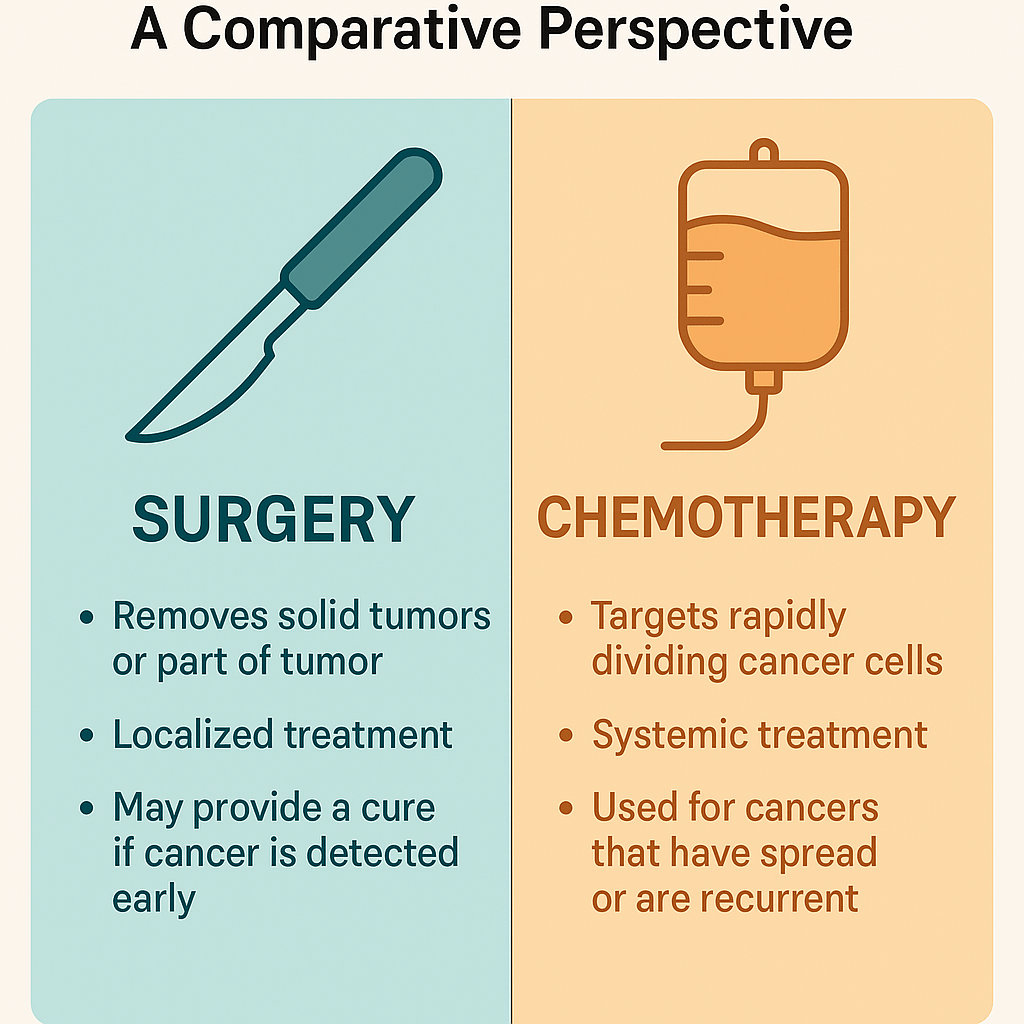
5. Surgery vs. Chemotherapy: A Comparative Perspective
While chemotherapy treatment in chennai targets fast-growing cells throughout the body, surgery focuses on physical removal of the tumor. The major differences include:
- Speed of Action: Surgery offers immediate removal, while chemo works over time.
- Side Effects: Chemo affects the whole body, while surgery’s effects are localized.
- Precision: Surgery targets the tumor directly, whereas chemo may affect healthy cells too.
In some cases, surgery may be more effective than chemo, especially in early-stage cancers. However, when cancer has spread or is aggressive, chemotherapy is often used alongside or instead of surgery.
6. Risks and Recovery: What Patients Should Know
Like any major medical procedure, cancer surgery comes with risks and a recovery period. Common risks include:
- Bleeding
- Infection
- Pain
- Reactions to anesthesia
- Scarring or loss of function (depending on the tumor location)
Recovery time varies based on the surgery’s complexity and the patient’s overall health. Post-surgical care may involve physical therapy, medication, wound care, or psychological support.
7. Advances in Surgical Techniques: Less Invasive, More Effective
Surgical oncology has made huge strides in recent years. New technologies are making cancer surgery:
- Minimally invasive: Techniques like laparoscopy or robotic-assisted surgery mean smaller incisions, faster recovery, and fewer complications.
- More precise: Image-guided and laser surgeries help surgeons target tumors with incredible accuracy.
- Customized: Surgeries are now tailored based on genetics, tumor behavior, and patient-specific factors.
These innovations are improving survival rates while reducing the physical and emotional toll on patients.
8. Combining Surgery with Other Treatments
In many cases, surgery is not used in isolation. It may be performed:
- Before other treatments (neoadjuvant therapy): to shrink tumors before removal
- After other treatments (adjuvant therapy): to remove remaining cancer cells
Combining surgery with chemotherapy, radiation, or immunotherapy is often the most effective approach. This multidisciplinary strategy allows doctors to attack cancer from multiple angles.

9. The Psychological Impact of Surgery:
Surgery doesn’t just affect the body—it impacts the mind as well. Patients may struggle with:
- Anxiety before surgery
- Fear about results or complications
- Changes in appearance (especially in facial or breast surgeries)
- Loss of confidence or independence
Support from psychologists, counselors, and cancer support groups can help patients navigate these emotional challenges. A holistic approach to care considers both physical and psychological recovery.

10. Final Thoughts: Empowering Patients with Surgical Knowledge
While chemotherapy and other drug-based treatments often dominate conversations about cancer care, surgery remains one of the most important tools in the fight against this disease. From curing early-stage cancers to relieving pain in advanced stages, surgery plays a versatile and powerful role.
Patients should feel empowered to ask questions, understand their surgical options, and work with a multidisciplinary team to create the best treatment plan. Knowledge, trust in your care team, and timely decisions can make all the difference.
Conclusion
Surgery is more than just a medical procedure—it’s a critical pillar of cancer treatment that continues to evolve and improve. Whether used alone or in combination with chemotherapy and other therapies, surgery offers many patients a path to healing, relief, and renewed hope.As always, the right treatment plan depends on each individual’s diagnosis, health, and
goals. Speak with your oncologist or surgical team to learn more about how surgery could fit into your personalized cancer care journey.
Here at Jus’ Onco Cancer Clinic we are convinced that every patient should receive high quality cancer treatment with no heavy expenses. Our oncology team is highly qualified and has the experience it takes to fully treat you whether through surgery, chemotherapy, radiation therapy, immunotherapy or even other advanced therapies such as targeted therapy and cryoablation at a price that suits both your body and your pocket.
Take charge of your treatment journey. Get informed, ask questions, and make confident decisions with the support of your healthcare team.