Overview
Brain cancer develops when abnormal cells in the brain or surrounding tissues grow uncontrollably — forming tumours that can interfere with critical neurological functions including movement, memory, speech, vision, and cognition. Brain tumours can be primary — originating in the brain itself — or secondary (metastatic), meaning they have spread to the brain from cancer elsewhere in the body such as the lungs, breast, or colon.
Brain cancer is among the most complex cancers to diagnose and treat due to the brain’s critical functions, the blood-brain barrier that limits drug penetration, and the location-specific impact of tumour growth. However, with advances in chemotherapy, targeted therapy, immunotherapy, and radiation therapy, many patients with brain cancer can achieve meaningful disease control, extended survival, and maintained quality of life.
Early diagnosis through MRI imaging, accurate tumour classification, and a personalized, evidence-based treatment plan are critical to achieving the best possible outcomes for every brain cancer patient.
Types of Brain Cancer
Glioblastoma Multiforme (GBM)
GBM is the most common and most aggressive primary malignant brain tumour in adults — accounting for approximately 15% of all brain tumours. It arises from astrocytes and grows rapidly, infiltrating surrounding brain tissue. Standard treatment involves surgery, radiation, and temozolomide chemotherapy — often combined with tumour treating fields (TTF) therapy.
Astrocytoma
Astrocytomas develop from astrocyte cells and range from low-grade (slow-growing) to high-grade (aggressive) tumours. Low-grade astrocytomas may be managed with surgery and watchful waiting, while high-grade astrocytomas require chemotherapy and radiation.
Oligodendroglioma
Oligodendrogliomas arise from oligodendrocyte cells and are typically slower-growing than GBM. They are often associated with IDH mutation and 1p/19q co-deletion — molecular markers that predict better response to chemotherapy and radiation.
Ependymoma
Ependymomas develop from ependymal cells lining the ventricles of the brain or the spinal canal. They can occur at any age, including in children, and are primarily treated with surgery and radiation.
Meningioma
Meningiomas arise from the meninges — the protective membranes surrounding the brain and spinal cord. Most are benign and slow-growing, but some can be atypical or malignant and may require surgery, radiation, or in some cases targeted therapy.
Medulloblastoma
Medulloblastoma is the most common malignant brain tumour in children, arising in the cerebellum. It is treated with surgery, radiation, and chemotherapy — with outcomes depending on molecular subgroup classification.
Brain Metastases
Brain metastases occur when cancer from another part of the body — most commonly lung, breast, colon, kidney, or melanoma — spreads to the brain. Treatment depends on the number of metastases, the primary cancer type, and the patient’s overall health — and may include targeted therapy, immunotherapy, radiation, or a combination approach.
Primary Central Nervous System Lymphoma (PCNSL)
PCNSL is a rare lymphoma confined to the brain, spinal cord, or eyes. It is highly sensitive to chemotherapy — particularly high-dose methotrexate — and may also respond to immunotherapy in certain cases.
Signs to Look for in Brain Cancer
- Persistent or progressively worsening headaches — particularly in the morning or after lying down
- Seizures — new onset or changing pattern in someone with prior epilepsy
- Nausea or vomiting — particularly without obvious cause
- Progressive weakness or numbness in one side of the body — arms or legs
- Difficulty speaking, understanding speech, or finding words
- Vision changes — blurred vision, double vision, or loss of peripheral vision
- Memory problems, confusion, or personality and behavioural changes
- Difficulty with balance or coordination
- Hearing problems or ringing in the ears
- Unexplained fatigue or drowsiness
Treatment Options
Chemotherapy
Chemotherapy for brain cancer uses drugs that cross the blood-brain barrier to destroy cancer cells or slow tumour growth. Temozolomide is the standard chemotherapy agent for glioblastoma — used alongside radiation and continued as maintenance therapy. High-dose methotrexate is used for primary CNS lymphoma. At Jus’ Onco, brain cancer chemotherapy is delivered as a low cost day care service — patients receive their infusion and return home the same day.
Targeted Therapy
For brain cancers with specific molecular alterations — such as IDH mutations, EGFR amplification, BRAF V600E mutations, or VEGF overexpression — targeted therapy uses precision medicines matched to the tumour’s molecular profile. Bevacizumab is used for recurrent glioblastoma. Biomarker and molecular testing is reviewed at Jus’ Onco to confirm targeted therapy eligibility.
Immunotherapy
Immunotherapy is an emerging and increasingly promising treatment for certain brain cancers — particularly brain metastases from cancers with high PD-L1 expression or MSI-high status, and for primary CNS lymphoma subtypes. At Jus’ Onco, immunotherapy eligibility is assessed based on molecular profiling and primary cancer type.
Radiation Therapy
Radiation therapy — including external beam radiation, stereotactic radiosurgery (SRS/Gamma Knife), and whole brain radiation — is a cornerstone of brain cancer treatment. It is used after surgery to destroy remaining cancer cells, as the primary treatment where surgery is not possible, or to treat brain metastases. Jus’ Onco coordinates radiation therapy referrals through its specialist oncology network.
Surgical Oncology
Surgery is often the first step in brain cancer treatment — to remove as much of the tumour as safely possible, obtain tissue for pathological diagnosis, and relieve pressure on surrounding brain structures. The extent of surgical resection is determined by tumour location, size, and proximity to critical brain areas.
Supportive Care
Includes corticosteroids to reduce brain swelling, anti-epileptic medications for seizure management, pain management, cognitive rehabilitation, nutritional support, and psycho-oncology counselling — all critical to maintaining quality of life and supporting treatment completion throughout the brain cancer journey.
Brain Cancer Care at Jus' Onco
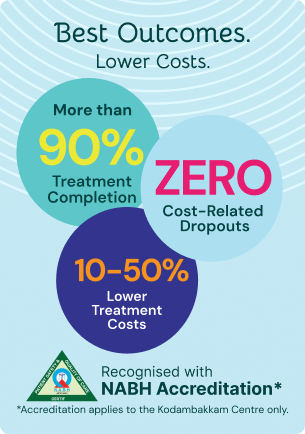
At Jus’ Onco, we provide comprehensive brain cancer care through advanced diagnostics, personalized treatment planning, and a multidisciplinary oncology team. From first consultation through recovery and long-term follow-up, our focus is on delivering the best chemotherapy in India alongside targeted therapy, immunotherapy, and integrated supportive care — all at a low cost that ensures no patient is forced to delay or abandon treatment.
Our brain cancer care programme begins with a thorough review of your diagnostic reports, MRI and PET imaging, surgical pathology reports, and comprehensive molecular testing — including IDH mutation status, MGMT promoter methylation, 1p/19q co-deletion, EGFR amplification, and BRAF mutation — ensuring your treatment plan is precisely matched to your brain tumour type and molecular profile.
Whether you require temozolomide chemotherapy for glioblastoma, high-dose methotrexate for CNS lymphoma, bevacizumab targeted therapy for recurrent GBM, immunotherapy for brain metastases, or a combination approach, Jus’ Onco designs and coordinates a complete, evidence-based brain cancer treatment plan — with full day care convenience, transparent pricing, and zero hidden charges.