Overview
Colon cancer — also referred to as colorectal cancer when it involves the rectum — develops when abnormal cells in the lining of the colon grow uncontrollably, forming tumours that can invade surrounding tissue and spread to other organs such as the liver and lungs if not detected and treated early.
Colon cancer is one of the most common cancers in India and globally, with incidence rates rising steadily due to changes in diet, lifestyle, and an aging population. It most often begins as small, non-cancerous growths called polyps on the inner lining of the colon — which, if left undetected, can develop into cancer over time. This makes regular colonoscopy screening critically important for early detection, especially in individuals over 45 or those with a family history of colorectal cancer.
With advances in chemotherapy, targeted therapy, immunotherapy, and surgical oncology, colon cancer is one of the most treatable cancers when detected early — and even advanced colon cancer can be managed effectively with a personalized, evidence-based treatment plan.
Types of Colon Cancer
Adenocarcinoma
Adenocarcinoma is the most common type of colon cancer — accounting for more than 95% of all colorectal cancer diagnoses. It begins in the mucus-secreting gland cells lining the inside of the colon and rectum and can be further classified based on molecular subtype, including microsatellite instability (MSI) status and KRAS/BRAF mutation status — both critical for treatment planning.
Colorectal Lymphoma
Colorectal lymphoma is a rare cancer of the lymph tissue found in the colon wall. It is typically treated with chemotherapy and may respond to immunotherapy depending on the specific lymphoma subtype.
Gastrointestinal Stromal Tumours (GIST) of the Colon
GISTs of the colon are rare tumours arising from specialized nerve cells in the colon wall. They are typically treated with targeted therapy — particularly imatinib — rather than conventional chemotherapy, making biomarker testing essential.
Carcinoid Tumours of the Colon
Colorectal carcinoid tumours develop from hormone-producing neuroendocrine cells in the colon lining. Most are slow-growing but require careful monitoring and, in some cases, surgical removal or targeted therapy.
Mucinous Adenocarcinoma
Mucinous adenocarcinoma is a subtype of colon adenocarcinoma characterized by large amounts of mucus produced by the cancer cells. It is often associated with MSI-high status and may respond particularly well to immunotherapy.
Signet Ring Cell Carcinoma
Signet ring cell carcinoma is a rare and aggressive subtype of colorectal cancer. It is often diagnosed at an advanced stage and typically requires intensive chemotherapy — often in combination with targeted therapy or immunotherapy.
Signs to Look for in Colon Cancer
- A persistent change in bowel habits — including diarrhea, constipation, or change in stool consistency lasting more than four weeks
- Rectal bleeding or blood in the stool — bright red or very dark
- Persistent abdominal discomfort — cramps, gas, or pain
- A feeling that the bowel does not empty completely
- Unexplained weight loss
- Persistent fatigue or weakness
- Narrow or pencil-thin stools
- Nausea or vomiting
- Iron deficiency anaemia — particularly in older adults with no obvious cause
- A palpable lump in the abdomen or rectum
Treatment Options
Chemotherapy
Chemotherapy is a primary treatment for colon cancer — used after surgery to eliminate remaining cancer cells, before surgery to shrink tumours, or as the main treatment for advanced or metastatic colorectal cancer. Common regimens include FOLFOX, FOLFIRI, and CAPOX. At Jus’ Onco, colon cancer chemotherapy is delivered as a low cost day care service — patients receive their infusion and return home the same day.
Targeted Therapy
For colon cancers with specific molecular targets — such as VEGF-positive, EGFR-positive, or HER2-positive colorectal cancer — targeted therapy uses precision medicines to attack the specific protein driving cancer growth. KRAS, NRAS, BRAF, and HER2 biomarker testing is conducted at Jus’ Onco to confirm eligibility before starting targeted treatment.
Immunotherapy
Immunotherapy — particularly PD-1 checkpoint inhibitors such as pembrolizumab — has shown significant benefit for MSI-high or mismatch repair deficient (dMMR) colorectal cancer. At Jus’ Onco, MSI and MMR status is reviewed during your biomarker assessment to determine immunotherapy eligibility.
Radiation Therapy
Radiation therapy is primarily used for rectal cancer — to shrink tumours before surgery, reduce local recurrence risk after surgery, or manage symptoms in advanced disease. Jus’ Onco coordinates radiation therapy referrals through its specialist oncology network.
Surgical Oncology
Surgical options for colon cancer include colectomy, hemicolectomy, low anterior resection, or abdominoperineal resection — depending on tumour location, size, and stage. Surgery is coordinated with chemotherapy, targeted therapy, and radiation as part of a comprehensive colon cancer treatment plan.
Supportive Care
Includes pain management, nutritional guidance, stoma care support where applicable, psycho-oncology counselling, and symptom control — maintaining quality of life and supporting treatment completion throughout the full colon cancer journey.
Colon Cancer Care at Jus' Onco
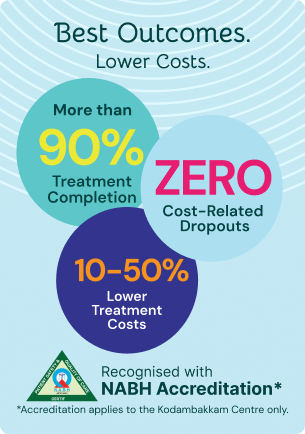
At Jus’ Onco, we provide comprehensive colon cancer care through advanced diagnostics, personalized treatment planning, and a multidisciplinary oncology team. From first consultation through recovery and long-term follow-up, our focus is on delivering the best chemotherapy in India alongside targeted therapy, immunotherapy, and integrated supportive care — all at a low cost that ensures no patient is forced to delay or abandon treatment.
Our colon cancer care programme begins with a thorough review of your diagnostic reports, imaging (CT, PET, colonoscopy findings), biopsy and pathology reports, and comprehensive biomarker testing — including KRAS, NRAS, BRAF, HER2, MSI, and MMR status — ensuring your treatment plan is precisely matched to your colorectal cancer molecular profile. Whether you require FOLFOX chemotherapy, anti-VEGF targeted therapy, PD-1 immunotherapy for MSI-high disease, or a combination approach, Jus’ Onco designs and delivers a complete, evidence-based colon cancer treatment plan with full day care convenience and zero hidden charges.