Overview
Head and neck cancer refers to a group of cancers that develop in the tissues and organs of the head and neck region — including the mouth, throat, larynx, pharynx, sinuses, nasal cavity, salivary glands, and thyroid. It is one of the most common cancers in India — accounting for nearly 30% of all cancer cases nationally — with a particularly high prevalence linked to tobacco use, alcohol consumption, and HPV infection.
Head and neck cancers are collectively grouped because they share similar risk factors, treatment approaches, and clinical management pathways. The majority are squamous cell carcinomas arising from the mucous membranes lining the mouth, nose, and throat.
Early detection is critical — head and neck cancers detected at an early stage have significantly higher cure rates than those diagnosed at advanced stages. With advances in chemotherapy, targeted therapy, immunotherapy, radiation therapy, and surgical oncology, many patients achieve complete remission or long-term disease control with a personalized, evidence-based treatment plan.
Types of Head & Neck Cancer
Oral Cancer
Oral cancer develops in the lips, tongue, gums, inner cheeks, floor of the mouth, or hard palate. It is strongly associated with tobacco chewing, smoking, and alcohol use — and is one of the most common cancers in India. Early detection through regular oral examination is critical for the best treatment outcomes.
Oropharyngeal Cancer
Oropharyngeal cancer affects the middle part of the throat — including the base of the tongue, soft palate, and tonsils. It is increasingly associated with HPV infection — particularly HPV 16 — in addition to tobacco and alcohol use.
Nasopharyngeal Cancer
Nasopharyngeal cancer develops in the nasopharynx — the upper part of the throat behind the nose. It is associated with Epstein-Barr virus (EBV) infection and is more common in South and East Asian populations. It is highly sensitive to radiation and chemotherapy.
Hypopharyngeal Cancer
Hypopharyngeal cancer affects the lower part of the throat, just above the oesophagus. It is typically diagnosed at an advanced stage and is associated with tobacco and alcohol use — requiring aggressive multimodal treatment.
Laryngeal Cancer
Laryngeal cancer develops in the larynx (voice box) and is strongly linked to smoking. Early-stage laryngeal cancer has a high cure rate with radiation therapy, while advanced disease requires a combination of surgery, chemotherapy, and radiation.
Salivary Gland Cancer
Salivary gland cancers are rare tumours arising from the parotid, submandibular, or sublingual glands. They include several subtypes — such as mucoepidermoid carcinoma, adenoid cystic carcinoma, and acinic cell carcinoma — each with different treatment approaches.
Sinonasal Cancer
Sinonasal cancers develop in the nasal cavity or paranasal sinuses. They are rare and often diagnosed late due to subtle early symptoms. Treatment typically involves surgery, radiation, and chemotherapy.
Thyroid Cancer
Thyroid cancer develops in the thyroid gland at the base of the neck. It includes papillary, follicular, medullary, and anaplastic subtypes — with papillary thyroid cancer being the most common and most treatable. Most thyroid cancers respond well to surgery and radioactive iodine therapy.
Signs to Look for in Head & Neck Cancer
- A persistent sore or ulcer in the mouth, tongue, or throat that does not heal within two to three weeks
- A lump or swelling in the neck, jaw, or mouth
- Difficulty swallowing or a persistent feeling of something stuck in the throat
- Persistent hoarseness or change in voice quality
- Persistent sore throat that does not respond to treatment
- Unexplained bleeding from the mouth, nose, or throat
- Persistent nasal congestion, blocked nose, or nosebleeds
- Pain or numbness in the face, mouth, or neck
- Difficulty opening the mouth fully
- Unexplained weight loss or persistent fatigue
- Ear pain or hearing loss on one side without obvious cause
- White or red patches inside the mouth — leukoplakia or erythroplakia
Treatment Options
Chemotherapy
Chemotherapy is used for head and neck cancer as concurrent chemoradiation for locally advanced disease, as induction chemotherapy to shrink large tumours before radiation or surgery, or as palliative treatment for recurrent or metastatic disease. Cisplatin-based regimens are the standard of care for most head and neck squamous cell carcinomas. At Jus’ Onco, head and neck cancer chemotherapy is delivered as a low cost day care service — patients receive their infusion and return home the same day.
Targeted Therapy
Cetuximab — an EGFR-targeted monoclonal antibody — is used for locally advanced and recurrent or metastatic head and neck squamous cell carcinoma in combination with chemotherapy or radiation. Biomarker testing is reviewed at Jus’ Onco to determine targeted therapy eligibility and the most appropriate combination regimen.
Immunotherapy
Immunotherapy — particularly pembrolizumab and nivolumab (PD-1 checkpoint inhibitors) — has transformed the treatment of recurrent or metastatic head and neck squamous cell carcinoma. Pembrolizumab is now approved as a first-line treatment for eligible patients with PD-L1 positive tumours. At Jus’ Onco, PD-L1 status is assessed to determine immunotherapy eligibility.
Radiation Therapy
Radiation therapy — including intensity-modulated radiation therapy (IMRT) and stereotactic body radiation therapy (SBRT) — is a cornerstone of head and neck cancer treatment. It is used as the primary treatment for early-stage disease, concurrently with chemotherapy for locally advanced disease, and as adjuvant treatment after surgery. Jus’ Onco coordinates radiation therapy referrals through its specialist oncology network.
Surgical Oncology
Surgical options for head and neck cancer include tumour resection, neck dissection, and reconstructive surgery — depending on tumour site, size, and stage. Minimally invasive approaches including transoral robotic surgery (TORS) are available for oropharyngeal tumours. Surgery is coordinated with chemotherapy and radiation as part of a comprehensive treatment plan.
Hormone Therapy
Hormone therapy may be used in specific thyroid cancer subtypes — particularly differentiated thyroid cancers — to suppress TSH and reduce recurrence risk after surgery and radioactive iodine therapy. Your Jus’ Onco oncologist will determine whether hormone therapy is appropriate for your specific case.
Supportive Care
Includes pain management, nutritional support (particularly important given the impact of head and neck cancer treatment on swallowing and taste), speech and swallowing rehabilitation coordination, oral care during radiation, psycho-oncology counselling, and symptom control — maintaining quality of life throughout the full head and neck cancer treatment journey.
Head & Neck Cancer Care at Jus' Onco
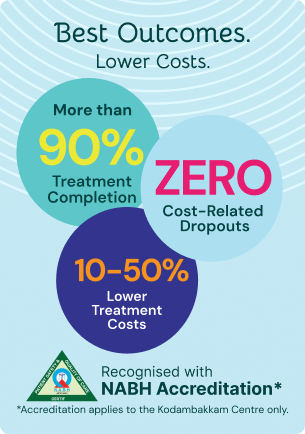
At Jus’ Onco, we provide comprehensive head and neck cancer care through advanced diagnostics, personalized treatment planning, and a multidisciplinary oncology team. From first consultation through recovery and long-term follow-up, our focus is on delivering the best chemotherapy in India alongside targeted therapy, immunotherapy, and integrated supportive care — all at a low cost that ensures no patient is forced to delay or abandon treatment.
Our head and neck cancer care programme begins with a thorough review of your diagnostic reports, imaging (CT, MRI, PET), endoscopy and biopsy findings, and biomarker testing — including PD-L1 expression, EGFR status, and HPV/EBV testing — ensuring your treatment plan is precisely matched to your cancer site, type, stage, and molecular profile.
Whether you require cisplatin-based chemoradiation, cetuximab targeted therapy, pembrolizumab immunotherapy, or a multimodal combination approach, Jus’ Onco designs and delivers a complete, evidence-based head and neck cancer treatment plan with full day care convenience, transparent pricing, and zero hidden charges.