Overview
Skin cancer develops when abnormal cells in the skin grow uncontrollably — forming tumours that can invade surrounding tissue and, in advanced cases, spread to lymph nodes and other organs. It is one of the most common cancers globally and is increasingly prevalent in India due to prolonged sun exposure, outdoor occupational exposure, and rising awareness leading to earlier detection.
Skin cancer most commonly develops in areas of the skin exposed to ultraviolet (UV) radiation from sunlight or artificial tanning devices — including the face, scalp, neck, arms, and hands. However, it can also develop in areas rarely exposed to sunlight — including the palms, soles, beneath the fingernails, and in the genital region.
The three most common types of skin cancer are basal cell carcinoma, squamous cell carcinoma, and melanoma — with melanoma being the most dangerous due to its tendency to spread rapidly to other organs. When detected early, most skin cancers are highly treatable. Advanced or metastatic melanoma, however, requires systemic treatment with targeted therapy and immunotherapy — areas where significant treatment advances have been made in recent years.
Types of Skin Cancer
Basal Cell Carcinoma (BCC)
Basal cell carcinoma is the most common type of skin cancer — accounting for approximately 70% to 80% of all skin cancer diagnoses. It arises from basal cells in the deepest layer of the epidermis and grows slowly. BCC rarely spreads to other parts of the body but can cause significant local tissue destruction if left untreated. It is primarily treated with surgery or radiation — and in some cases with targeted therapy using hedgehog pathway inhibitors.
Squamous Cell Carcinoma (SCC)
Squamous cell carcinoma is the second most common type of skin cancer, arising from squamous cells in the outer layers of the skin. It is more likely than BCC to spread to lymph nodes and other organs — particularly in immunocompromised patients or when arising on the lips, ears, or genitals. SCC is treated with surgery, radiation, and in advanced or metastatic cases with chemotherapy, targeted therapy, or immunotherapy.
Melanoma
Melanoma is the most dangerous form of skin cancer — arising from melanocytes, the pigment-producing cells of the skin. Although less common than BCC or SCC, melanoma accounts for the majority of skin cancer deaths due to its high potential to metastasize rapidly. Advanced melanoma is treated with BRAF-targeted therapy, MEK inhibitors, PD-1 immunotherapy, and CTLA-4 immunotherapy — with significant survival improvements seen in eligible patients.
Merkel Cell Carcinoma
Merkel cell carcinoma is a rare and aggressive neuroendocrine skin cancer that tends to grow rapidly and spread early to lymph nodes and distant organs. It is associated with Merkel cell polyomavirus (MCPyV) infection and UV exposure. Treatment includes surgery, radiation, and immunotherapy — particularly avelumab and pembrolizumab.
Dermatofibrosarcoma Protuberans (DFSP)
DFSP is a rare, slow-growing skin tumour arising from the dermis that rarely metastasizes but tends to invade surrounding tissue locally. It is primarily treated with surgery and, for unresectable or metastatic cases, with imatinib targeted therapy.
Cutaneous Lymphoma
Cutaneous lymphomas are rare cancers of the lymphocytes found in the skin — including mycosis fungoides and Sézary syndrome. They are treated with skin-directed therapies, systemic chemotherapy, targeted therapy, and immunotherapy depending on the stage and subtype.
Signs to Look for in Skin Cancer
- A new growth or sore on the skin that does not heal within four weeks
- A mole that changes in size, shape, or colour
- A pearly or waxy bump on sun-exposed skin — particularly on the face or neck
- A flat, flesh-coloured or brown scar-like lesion
- A red nodule or a flat lesion with a scaly, crusted surface
- Bleeding or oozing from a skin lesion without injury
- Itching, tenderness, or pain in a skin lesion
- Dark streaks under fingernails or toenails
- A mole with irregular borders, multiple colours, or a diameter larger than 6mm
- Swollen lymph nodes near a skin lesion
Treatment Options
Chemotherapy
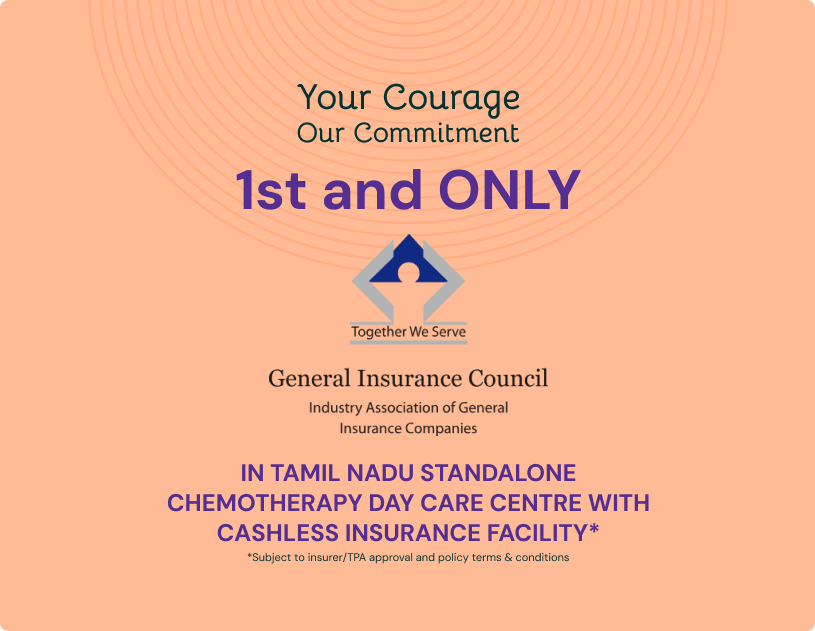
Systemic chemotherapy for skin cancer is primarily used for advanced or metastatic squamous cell carcinoma, Merkel cell carcinoma, and cutaneous lymphoma — using regimens including cisplatin, carboplatin, and paclitaxel. At Jus’ Onco, skin cancer chemotherapy is delivered as a low cost day care service — patients receive their infusion and return home the same day.
Targeted Therapy
Targeted therapy has transformed the treatment of advanced melanoma. BRAF inhibitors (vemurafenib, dabrafenib) and MEK inhibitors (trametinib, cobimetinib) are used for BRAF V600E-mutated melanoma — often in combination for superior outcomes. Hedgehog pathway inhibitors (vismodegib, sonidegib) are used for advanced basal cell carcinoma. Imatinib is used for DFSP and KIT-mutated melanoma. Biomarker testing is reviewed at Jus’ Onco to confirm targeted therapy eligibility.
Immunotherapy
Immunotherapy has produced remarkable results in advanced melanoma and Merkel cell carcinoma. PD-1 inhibitors (pembrolizumab, nivolumab) and CTLA-4 inhibitors (ipilimumab) — alone or in combination — have significantly improved survival in metastatic melanoma. Avelumab (PD-L1 inhibitor) is approved for Merkel cell carcinoma. Cemiplimab is approved for advanced cutaneous squamous cell carcinoma. At Jus’ Onco, PD-L1 status and BRAF mutation status are assessed to determine immunotherapy and targeted therapy eligibility.
Radiation Therapy
Radiation therapy is used for skin cancers that cannot be surgically removed, as adjuvant treatment after surgery for high-risk lesions, or to treat lymph node involvement. It is commonly used for basal cell carcinoma and squamous cell carcinoma in areas where surgery would cause significant functional or cosmetic impact. Jus’ Onco coordinates radiation therapy referrals through its specialist oncology network.
Surgical Oncology
Surgery is the primary treatment for most early-stage skin cancers — including wide local excision, Mohs micrographic surgery for BCC and SCC, sentinel lymph node biopsy, and lymph node dissection for melanoma with lymph node involvement. Surgery is coordinated with chemotherapy, targeted therapy, and radiation as part of a comprehensive skin cancer treatment plan.
Supportive Care
Includes skin care and wound management, pain management, nutritional support, psycho-oncology counselling, and symptom control — maintaining quality of life and supporting treatment completion throughout the full skin cancer treatment journey.
Skin Cancer Care at Jus' Onco
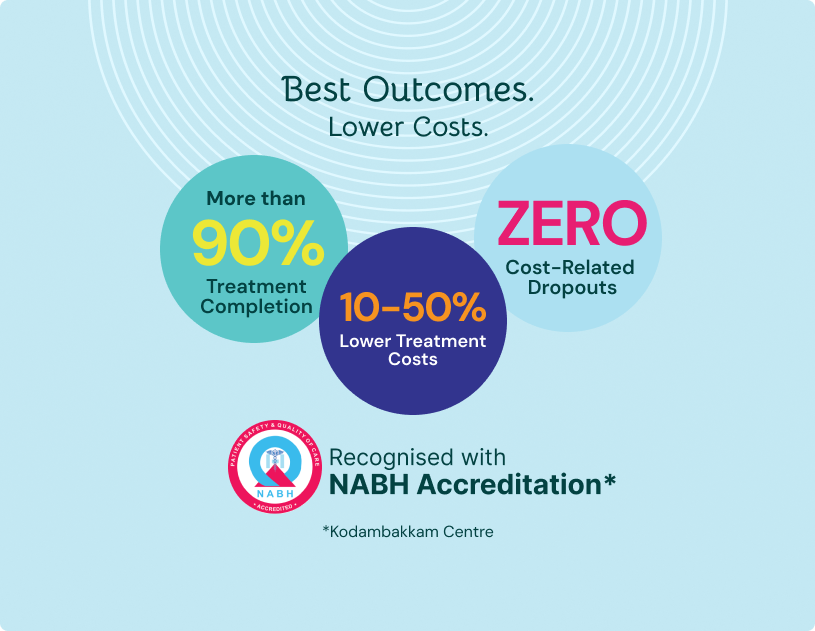
At Jus’ Onco, we provide comprehensive skin cancer care through advanced diagnostics, personalized treatment planning, and a multidisciplinary oncology team. From first consultation through recovery and long-term follow-up, our focus is on delivering the best chemotherapy in India alongside targeted therapy, immunotherapy, and integrated supportive care — all at a low cost that ensures no patient is forced to delay or abandon treatment.
Our skin cancer care programme begins with a thorough review of your diagnostic reports, dermoscopy findings, imaging (CT, PET, MRI), biopsy and pathology reports, and comprehensive biomarker testing — including BRAF V600E mutation status, PD-L1 expression, KIT mutation status, and MCPyV status for Merkel cell carcinoma — ensuring your treatment plan is precisely matched to your skin cancer type, stage, and molecular profile.
Whether you require BRAF plus MEK combination targeted therapy for advanced melanoma, pembrolizumab immunotherapy, cisplatin-based chemotherapy for advanced SCC, vismodegib for advanced BCC, or a multimodal combination approach — Jus’ Onco designs and delivers a complete, evidence-based skin cancer treatment plan with full day care convenience, transparent pricing, and zero hidden charges.