
Introduction
Cancer treatment has evolved dramatically over the past few decades. While traditional methods like chemotherapy and radiation therapy remain vital, targeted therapy has emerged as one of the most promising approaches to managing and even curing certain types of cancer and unlike conventional treatments that affect both cancerous and healthy cells, targeted therapy works by focusing specifically on cancer cells, disrupting their growth and survival while sparing most normal cells.
This precision not only improves treatment outcomes but also reduces side effects, giving patients a better quality of life during therapy. Get Affordable Cancer Care in Chennai from Jus’Onco Clinic
What is Targeted Therapy?
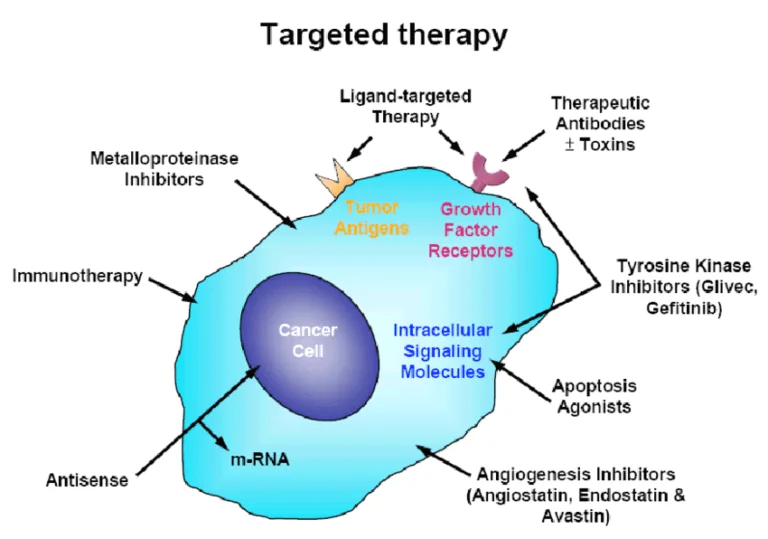
Targeted therapy refers to a set of cancer treatments that focus on specific molecules, genes, or proteins involved in the growth and spread of cancer. These drugs are designed to identify and attack certain cancer cell mechanisms, leaving healthy cells largely unaffected. By “targeting” these cellular processes, the treatment can be more effective and less toxic compared to traditional chemotherapy.
Your fight is unique. Let’s find the most targeted approach for you — schedule your appointment today.
How Targeted Therapy Works
The main principle behind targeted therapy is understanding the genetic and molecular makeup of a patient’s cancer. Once specific mutations or abnormal proteins are identified, doctors can prescribe drugs that block these cancer-driving mechanisms.
Some ways targeted therapy works include:
- Blocking signals that tell cancer cells to grow
- Cutting off the blood supply to tumors
- Triggering the immune system to attack cancer cells
- Delivering toxic substances directly to cancer cells
Differences Between Targeted Therapy and Chemotherapy
Chemotherapy kills rapidly dividing cells, which means it also affects healthy cells like hair follicles, bone marrow, and the digestive tract. Targeted therapy, on the other hand, focuses only on specific cancer-related targets, often resulting in fewer and less severe side effects. However, targeted therapy is not suitable for all cancers; its effectiveness depends on identifying the right target.
Types of Targeted Therapy Drugs
Targeted therapy includes several drug classes, such as:
- Monoclonal Antibodies (mAbs) – Laboratory-made proteins that attach to specific targets on cancer cells.
- Tyrosine Kinase Inhibitors (TKIs) – Small molecules that block enzymes (kinases) involved in cancer cell signaling.
- Angiogenesis Inhibitors – Stop tumors from forming new blood vessels.
- Proteasome Inhibitors – Prevent cancer cells from breaking down proteins needed for their growth.
Who Can Benefit from Targeted Therapy?
Patients need to undergo specific diagnostic tests, such as molecular profiling or genetic testing, to determine if their cancer contains the targets that these therapies can attack. Some cancers where targeted therapy is commonly used include:
- Breast cancer (HER2-positive)
- Lung cancer (EGFR mutations, ALK rearrangements)
- Colorectal cancer
- Certain lymphomas and leukemias
Challenges and Limitations
While targeted therapy is a breakthrough in oncology, it has limitations:
- Not all cancers have identifiable targets.
- Cancer cells can develop resistance to these drugs.
- Some targeted drugs can still cause side effects like high blood pressure, skin rash, or liver problems.
Conclusion
Targeted therapy represents a major step forward in cancer care, offering a more personalized, precise, and often gentler treatment option. As research advances, more targeted drugs will become available, increasing the number of patients who can benefit from them.
Your fight is unique. Let’s find the most targeted approach for you — schedule your appointment today.
Book Appoinment1. What makes targeted therapy different from chemotherapy?
Targeted therapy focuses on specific molecules or genes that drive cancer growth, while chemotherapy attacks all rapidly dividing cells—both cancerous and healthy—leading to more side effects.2. How do doctors know if I’m eligible for targeted therapy?
Doctors perform genetic or molecular tests on your tumor to check for specific mutations or proteins that targeted drugs can act upon.3. Does targeted therapy have side effects?
Yes, but they are often milder than chemotherapy. Common side effects include skin rash, fatigue, high blood pressure, and liver function changes.4. Can targeted therapy cure cancer?
In some cases, it can lead to long-term remission, especially when used early or in combination with other treatments, but results vary depending on cancer type and stage.5. Is targeted therapy used for all types of cancer?
No. It is most effective for cancers with identifiable molecular targets, such as certain breast, lung, colorectal cancers, and some blood cancers.
Targeted therapy focuses on specific molecules or genes that drive cancer growth, while chemotherapy attacks all rapidly dividing cells—both cancerous and healthy—leading to more side effects.
Doctors perform genetic or molecular tests on your tumor to check for specific mutations or proteins that targeted drugs can act upon.
Yes, but they are often milder than chemotherapy. Common side effects include skin rash, fatigue, high blood pressure, and liver function changes.
In some cases, it can lead to long-term remission, especially when used early or in combination with other treatments, but results vary depending on cancer type and stage.
No. It is most effective for cancers with identifiable molecular targets, such as certain breast, lung, colorectal cancers, and some blood cancers.