

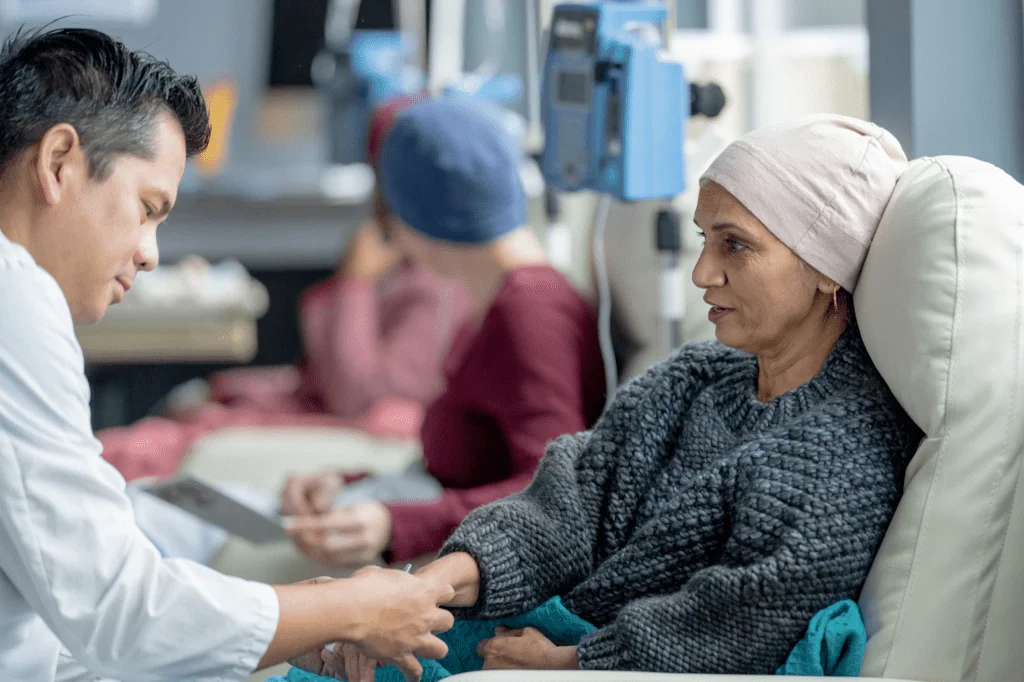
In recent years, uterine cancer also called endometrial cancer—has seen a noticeable rise in India and around the world. While many cancers are on the decline due to better screening and prevention strategies, uterine cancer is one of the few that continues to climb. This is particularly concerning, as it’s one of the most common cancers affecting the female reproductive system.
But here’s the good news: uterine cancer is highly treatable when detected early, and there are several proactive steps women can take to reduce their risk. In this blog, we’ll explore why uterine cancer rates are rising, the most common risk factors, symptoms to watch out for, and how to protect yourself through prevention, screening, and timely medical care.
What is Uterine Cancer?
Uterine cancer refers to cancer that starts in the uterus, the pear-shaped organ in a woman’s pelvis where a baby grows during pregnancy. The most common type of uterine cancer is endometrial cancer, which begins in the lining of the uterus (endometrium).
Other rare types include uterine sarcoma, which starts in the muscle or other tissues of the uterus.
Why Are Uterine Cancer Rates Increasing?
Several studies point to multiple lifestyle and health-related factors contributing to the increase in uterine cancer cases:
1. Obesity and Lifestyle Diseases
Obesity is one of the strongest risk factors. Excess fat increases estrogen levels in the body, which in turn stimulates the endometrium. Prolonged exposure to unopposed estrogen increases cancer risk.
2. Diabetes and Hypertension
Women with type 2 diabetes or high blood pressure have a higher risk of developing uterine cancer. These conditions are also associated with obesity and poor metabolic health.
3. Hormonal Imbalance
Conditions like Polycystic Ovary Syndrome (PCOS), estrogen-only hormone replacement therapy (HRT), and early menarche or late menopause can lead to increased estrogen exposure—raising cancer risk.
4. Decline in Childbirth Rates
Women who have never been pregnant (nulliparity) or had fewer pregnancies have higher lifetime exposure to estrogen, increasing the risk of endometrial abnormalities and cancer.
5. Poor Awareness and Late Screening
In many parts of India, gynecological health remains underprioritized. Women often ignore abnormal bleeding or pelvic discomfort, delaying diagnosis.
Key Symptoms of Uterine Cancer
Recognizing symptoms early plays a huge role in survival outcomes. See a doctor if you notice any of the following:
- Abnormal vaginal bleeding (especially after menopause or between periods)
- Heavy or prolonged periods
- Watery or blood-tinged vaginal discharge
- Pelvic pain or pressure
- Pain during sex
- Unexplained weight loss
Don’t ignore even mild or irregular symptoms. Early detection saves lives.
Who’s at Higher Risk?
Understanding your risk profile can help in making proactive health choices. You’re at higher risk of uterine cancer if you:
- Are over 50
- Have obesity or diabetes
- Have family history of uterine, colon, or ovarian cancer
- Have had breast cancer and were treated with tamoxifen
- Have PCOS or irregular periods
- Have taken estrogen-only HRT
- Have never been pregnant
Even if you’re not in a high-risk category, regular gynecological check-ups are essential.
7 Steps to Protect Yourself from Uterine Cancer
1. Maintain a Healthy Weight
Obesity increases uterine cancer risk two to four times. A balanced diet and regular exercise can help regulate estrogen levels and insulin resistance—two key contributors to cancer growth.
Tip: Focus on a plant-rich diet, whole grains, lean proteins, and reduce processed food intake.
2. Manage Blood Sugar and Blood Pressure
If you have diabetes or high blood pressure, keep it under control with medication, diet, and physical activity. High insulin levels can fuel tumor growth.
Regular health check-ups, including HbA1c and blood pressure monitoring, are essential.
3. Watch for Hormonal Imbalance
If you have PCOS, irregular cycles, or are on hormone therapy, discuss the long-term effects with your gynecologist. Your doctor may recommend progesterone therapy or lifestyle changes to manage hormonal fluctuations.
Consider regular ultrasounds and endometrial thickness monitoring if you’re on long-term hormone therapy.
4. Don’t Ignore Abnormal Bleeding
This is the most common early sign. Postmenopausal bleeding—even once—must never be brushed aside. Premenopausal women with heavy, prolonged, or irregular cycles should also seek timely evaluation.
A simple pelvic ultrasound or endometrial biopsy can detect early changes.
5. Consider Birth Control Pills (in consultation)
Some studies show that long-term use of combined oral contraceptives can reduce the risk of endometrial cancer by stabilizing hormone levels. However, it’s important to consult a specialist to weigh risks and benefits.
6. Follow Up After Breast Cancer
If you’ve had breast cancer and used tamoxifen, you may be at slightly increased risk for uterine cancer. Your oncologist may recommend routine gynecological exams and imaging.
Make sure your cancer follow-up plan includes endometrial health checks.
7. Go for Routine Gynecological Exams
Women over 40 should include pelvic exams and, if needed, ultrasound screening as part of annual health check-ups—especially if you’re in a high-risk group.
Early-stage uterine cancer is highly treatable—often with surgery alone—if detected in time.
Diagnosis and Treatment: What to Expect
If your doctor suspects uterine cancer, they may recommend:
- Pelvic ultrasound
- Endometrial biopsy
- Hysteroscopy (to view the uterus directly)
- MRI or CT scans to check the spread
Common Treatment Options Include:
- Surgery (Hysterectomy) – Most common first-line treatment, often curative for early-stage cancers.
- Radiation therapy
- Hormone therapy (especially for women who wish to preserve fertility)
- Chemotherapy (for advanced stages)
Emotional Health and Support
A cancer diagnosis is not just a medical event—it’s emotional too. Women often face anxiety, fear of infertility, changes in body image, and emotional trauma. At Jus’Onco, mental health support, counseling, and survivor groups are available to guide patients through every stage of treatment and recovery.
Remember: It’s okay to ask for help. You’re not alone in this journey.
Uterine Cancer in India: A Growing Concern
In India, uterine cancer accounts for 7–9% of all female cancers. Sadly, many women are diagnosed late due to lack of awareness or fear of stigma around gynecological issues.
But this is changing. As awareness grows, more women are choosing preventive care, regular screenings, and speaking up about their health. And that’s where centers like Jus’Onco Cancer Clinic make a difference.
Why Choose Jus’Onco for Uterine Cancer Care?
At Jus’Onco Cancer Center, we believe that quality cancer care should be accessible to all—regardless of financial background. We offer:
- Expert gynecologic oncologists trained in advanced surgical and non-surgical methods
- Affordable treatment plans with transparent pricing
- Access to chemotherapy, radiation, and hormone therapy under one roof
- Multidisciplinary team support—including dieticians, counselors, and fertility experts
- Support with government insurance schemes and EMI options
Whether you’re seeking a second opinion or complete treatment, we ensure you receive the best care without unnecessary financial strain.
Final Takeaway
Uterine cancer rates are rising—but that doesn’t mean you’re helpless. Knowledge, awareness, and regular check-ups are powerful tools in prevention. Whether you’re managing risk factors or already under treatment, taking charge of your reproductive health today can protect your future.
If you have concerns about symptoms or need expert advice, don’t wait.
Visit Jus’Onco Cancer Center – Chennai
Call: +91 6379 123455 🌐 www.jusonco.com
Your partner in affordable, personalized cancer care.